
Autism and babbling: what should you listen for?
Most babies start canonical babbling, repeated consonant-vowel sounds like "ba-ba-ba," somewhere between 6 and 10 months.
Babies who are later diagnosed with autism often babble less in their first year, and that’s worth knowing early. Here’s what to listen for and what to do if the sounds aren’t showing up.
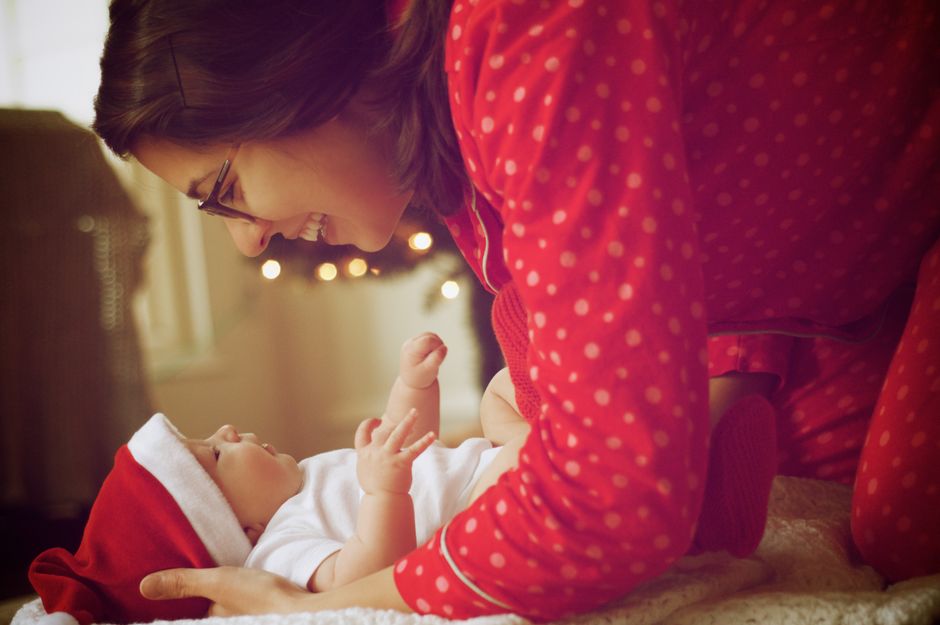
Home-video research found babies later diagnosed with autism made fewer of these sounds, and fewer sounds overall, at 9 to 18 months.
On this page
How does babbling normally develop?
Around seven months, a lot of babies discover a syllable like "ba" and run it on repeat for days. Before that came cooing, and after it comes jargon, that wonderful nonsense that carries the melody of real conversation.
That repeating-syllable stage is the one researchers care about. They call it canonical babbling, and it usually shows up somewhere between 5 and 10 months.
How is babbling different in babies later diagnosed with autism?
One research team went back through home videos of 37 babies, 23 of whom were later diagnosed with autism. Between 9 and 18 months, those 23 made fewer consonant-vowel sounds and simply vocalized less than the other 14.
A separate 2022 study found the same gap opening by 12 months, though it wasn’t visible yet at 6. So a quieter first year isn’t proof of anything, but it’s information your pediatrician should hear.
What if my child babbles but does not talk?
A two-year-old can have a rich soundtrack of ba-ba and da-da with no words attached to it yet. That deserves attention, and it also comes with a genuine head start, because it’s far easier for a therapist to shape sounds that already exist than to start from silence.
Watch the skills around the sounds too. Whether your child points, follows your gaze, and turns when you call their name tells you as much about language risk as the babble does.
What should you do if babbling is delayed?
By the first birthday those repeated syllables should be a regular part of your baby’s day. If they aren’t, mention it to your pediatrician right away and ask for a developmental screen.
Late babbling on its own doesn’t equal autism. Hearing trouble, a language delay, or plain variation can all sit behind it, and since the American Academy of Pediatrics recommends autism screening for every child at 18 and 24 months anyway, the check doesn’t cost you anything extra. The early signs worth knowing are covered in our guide to signs of autism in babies.
In Colorado, early intervention doesn’t have to wait for the diagnosis question to be fully settled. At Budding Futures ABA, Clinical Director Rachel Blackburn, BCBA starts our youngest kids with play-based sessions at home, built around sounds, imitation, and shared attention, and we coach parents to keep the babble conversation going the rest of the day.
Frequently asked questions from parents
Q: Do autistic babies babble?
A: Many do. Babies later diagnosed with autism tend to babble less often in the first year, but that’s a pattern across groups, and plenty of individual autistic babies babble plenty.
Q: Is delayed babbling always autism?
A: No. It can reflect hearing problems, a language delay, or nothing much at all. What it justifies is a screening conversation with your pediatrician.
Q: What is canonical babbling?
A: Syllables that combine a consonant and a vowel, like "ba," "da," or "ma," often repeated in strings. It usually shows up between 6 and 10 months.
ABA therapy support near you
In-Home ABA Therapy Across Colorado
How Budding Futures delivers BCBA-led, communication-first ABA at home.
ABA Therapy in Colorado Springs
In-home, BCBA-led ABA for Colorado Springs families.
ABA Therapy for Kids in Thornton
In-home ABA therapy for Thornton families.
Sources
Long et al., canonical babbling review
Canonical babbling as a marker for earlier identification of late detected developmental disorders.
Patten et al., 2014
Vocal patterns in infants with ASD: canonical babbling status and vocalization frequency, JADD.
American Academy of Pediatrics
AAP recommendation: autism screening for all children at 18 and 24 months.
Not sure what your baby’s sounds are telling you?
Tell us what you’re hearing and how old your child is. We’ll explain what a screening would look at and how early intervention works in Colorado.