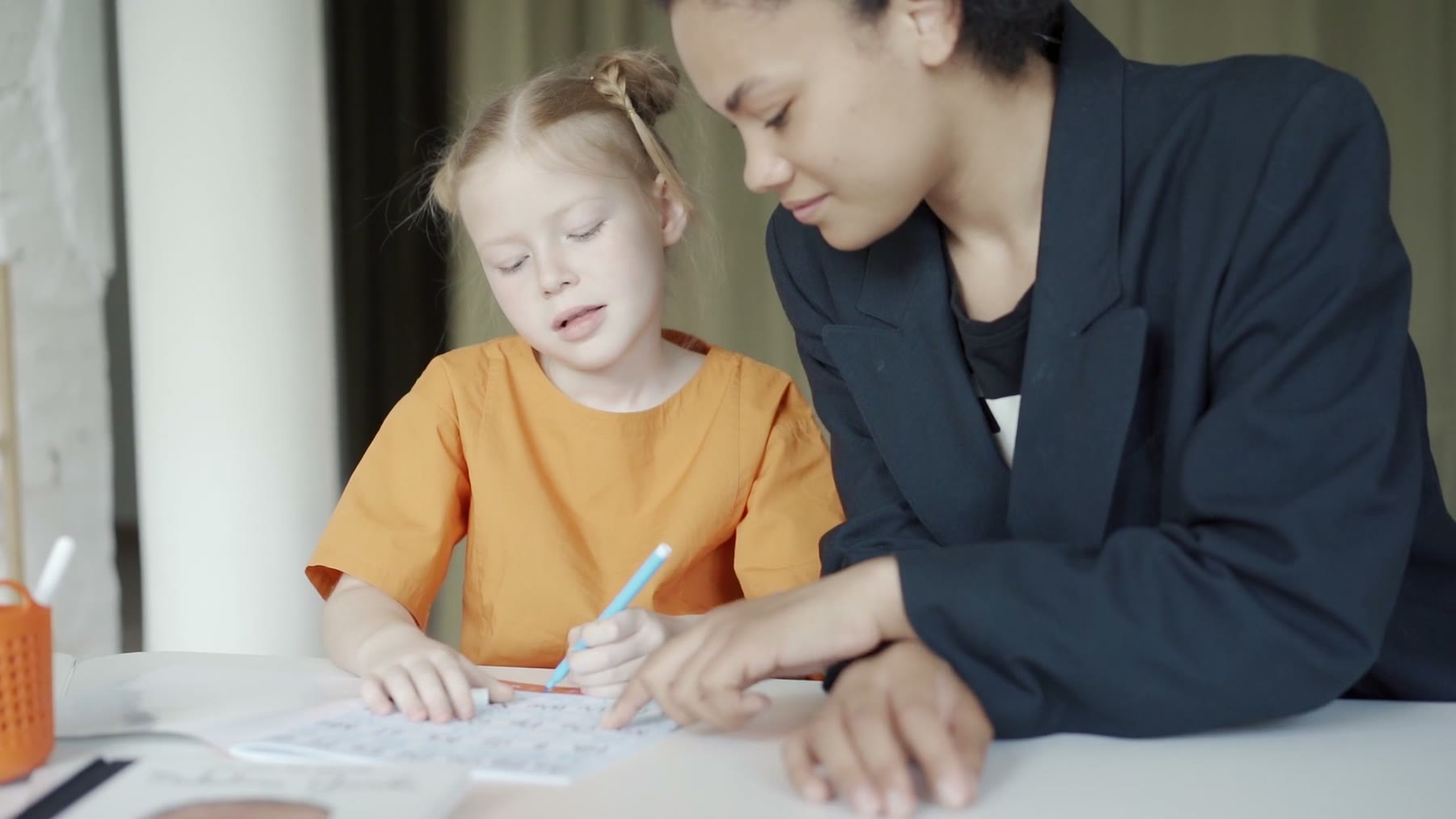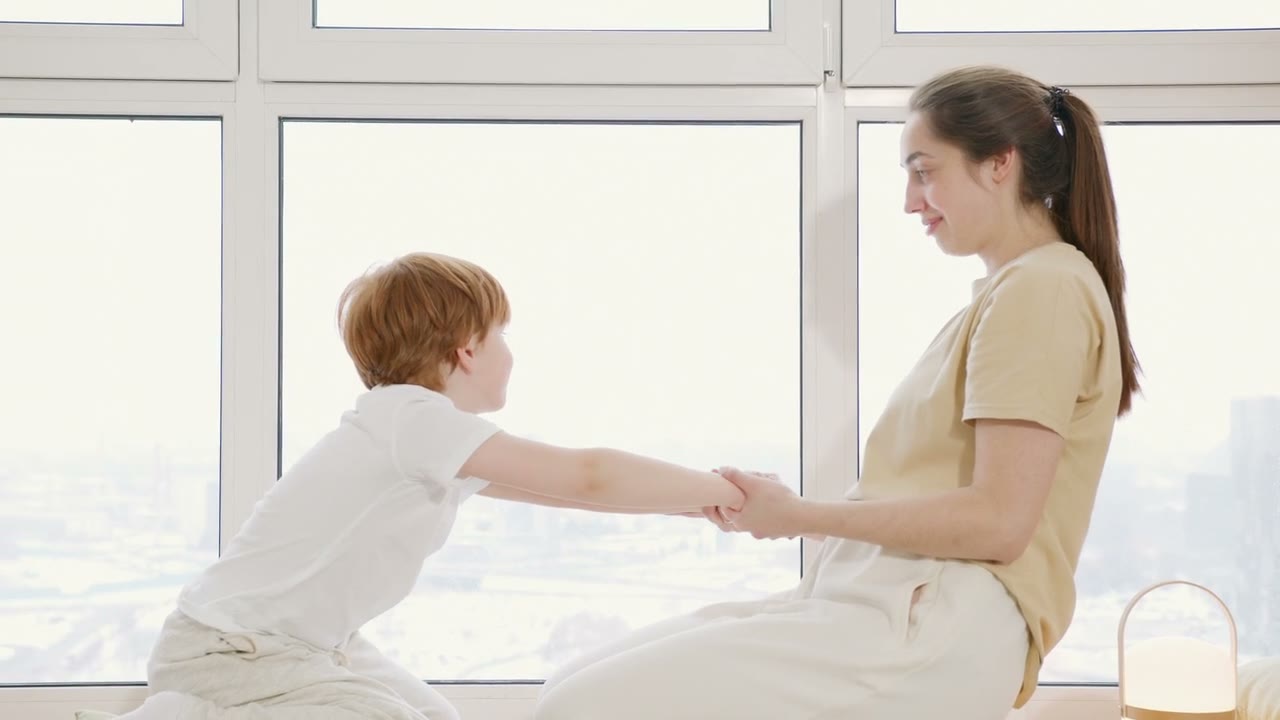
Realistic examples of progress
- A child uses an AAC button to ask for a break
- A morning routine needs fewer reminders
- A parent learns how to respond before frustration escalates
- A child practices a safety skill in the neighborhood
- A preferred play activity becomes a chance for shared attention
What these stories have in common
The goal is clear, the skill matters outside therapy, and someone can describe how much help the child needs now compared with before. Good progress is not about making every child look the same.
How progress is measured
| Question | Useful measure |
|---|---|
| Is the skill happening? | Frequency or number of steps completed |
| Is it becoming independent? | Type and amount of prompting |
| Does it work elsewhere? | Use with different people and routines |
What not to accept as proof
Be cautious with unnamed “case studies,” guaranteed timelines, cure language, or a percentage that has no source. Ask the provider to show how they review progress for your child.
Sources reviewed
- Budding Futures clinical approach
- Behavior-analytic progress measurement principles
- CASP practice guidelines for ABA