The 5 types of teaching in ABA
Discrete trial teaching
Short, structured teaching opportunities with a clear instruction, response, and consequence.
Natural environment teaching
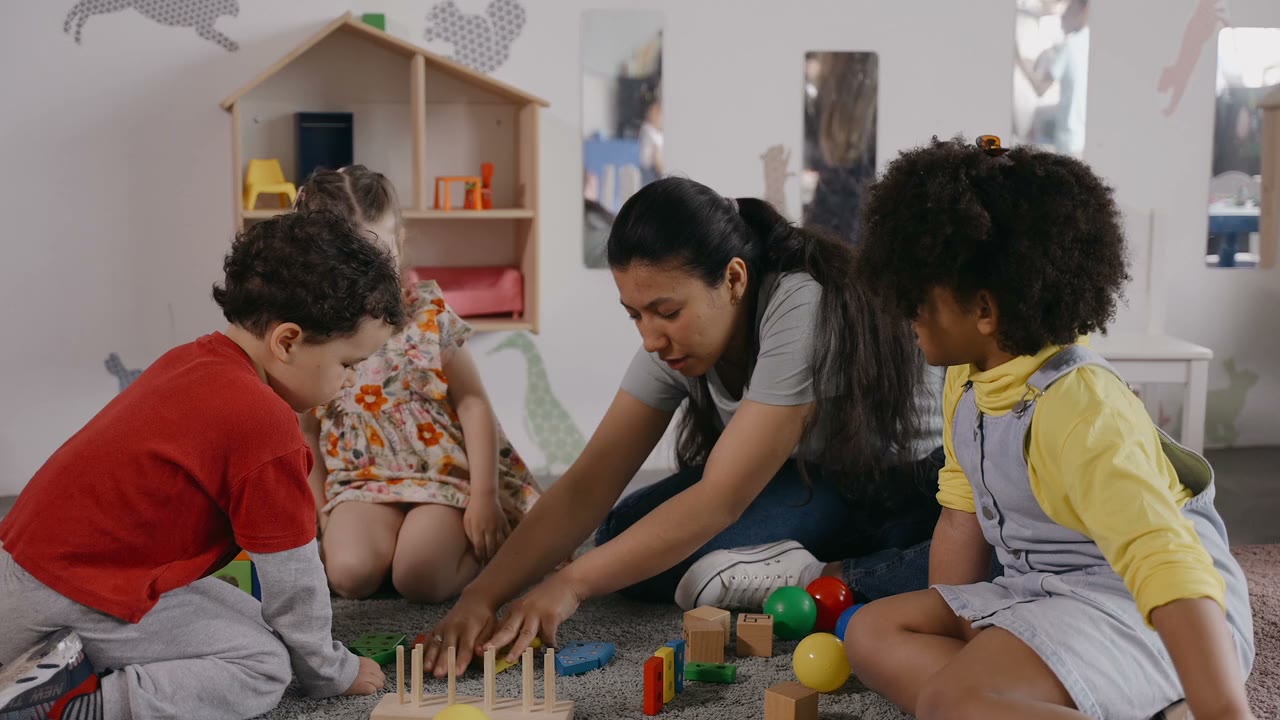
Learning during play, conversation, or everyday routines.
Pivotal response treatment
A naturalistic approach that focuses on broad skills such as motivation and initiation.
Task analysis and chaining
Breaking a routine into steps and teaching the sequence.
Token economy
Earning tokens or points toward an agreed reward after specific behaviors.
When each teaching approach can fit
| Approach | Often useful for | Example |
|---|---|---|
| Discrete trial | A new, clearly defined skill | Identifying a safety sign |
| Natural environment | Communication and social learning | Requesting a turn during play |
| Pivotal response | Motivation and self-initiation | Choosing and starting an activity |
| Task analysis and chaining | Daily-living routines | Washing hands independently |
| Token economy | Making progress visible | Earning points toward a preferred activity |
Good teaching changes with the learner
A child may learn one skill through short structured practice and another during a favorite home routine. Strong ABA programs do not force every goal into the same format. They track whether the method is helping and adjust when it is not.
Questions parents and teachers can ask
- Why does this teaching method fit this goal?
- How will the skill become useful outside the teaching activity?
- How will prompts and rewards change as independence grows?
- How are the learner’s preferences included?
Sources reviewed
- Peer-reviewed descriptions of ABA teaching approaches
- Behavior-analytic teaching and generalization principles
- Budding Futures clinical and service information