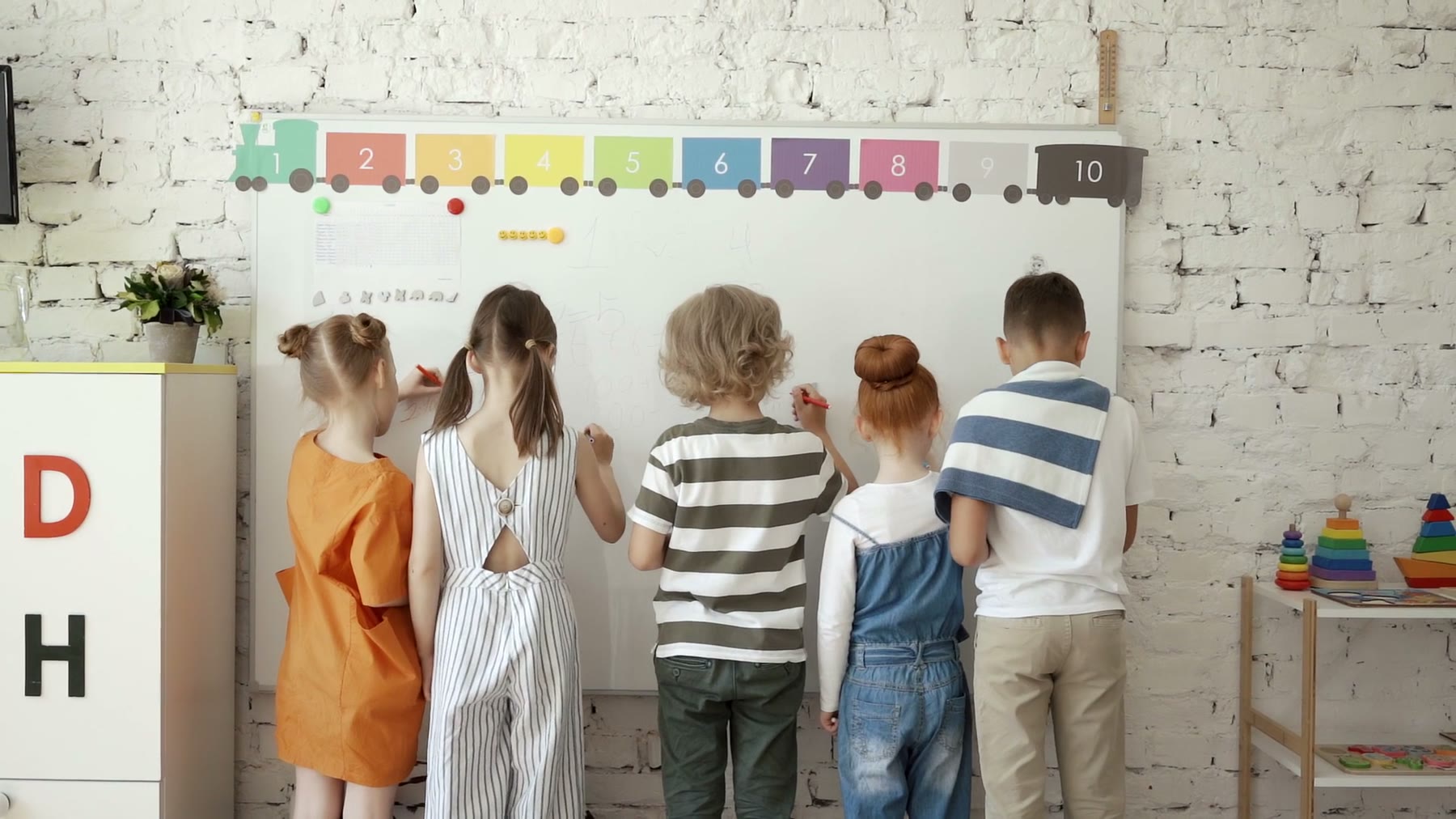
What ABA looks like in a school setting
School-based behavioral support can happen during lessons, transitions, lunch, recess, and social routines. The goal is to help the student participate, communicate, learn, and become more independent, not to demand one version of classroom behavior from every child.
ABA strategies teachers can use
| Strategy | Classroom example | Purpose |
|---|---|---|
| Visual support | A picture schedule on the student’s desk | Makes the day and transitions more predictable |
| Positive reinforcement | Specific praise or access to a preferred activity | Strengthens a useful skill |
| Task analysis | A checklist for packing a backpack | Breaks a complex routine into manageable steps |
| Functional communication | A break card or AAC request | Gives the student a clear alternative to escalation |
| Prompting and fading | Showing the first step, then reducing help | Builds independence over time |
How schools can make support more useful
- Use the same communication supports across staff and settings
- Plan for transitions and sensory needs before problems occur
- Teach replacement skills instead of focusing only on stopping behavior
- Track a small number of meaningful outcomes
- Coordinate with the student’s IEP team and family
Questions for a school team
Ask what the student is being taught.
A behavior plan should explain the useful skill that will replace the behavior, how staff will teach it, and how the team will know it is working.
Sources reviewed
- Autism Speaks School Community Tool Kit
- Evidence-based classroom behavior-support principles
- Budding Futures clinical and service information