Colorado ABA Therapy Statistics
Parents and writers cite ABA statistics all the time, but the numbers are usually scattered across CDC reports, clinical guidelines, provider studies, and insurance resources. This page puts the most useful access and treatment numbers in one place.
Budding Futures is not pretending to publish a medical study. We are organizing the public numbers parents actually run into when they ask about ABA access, waitlists, insurance, and weekly hours in Colorado.
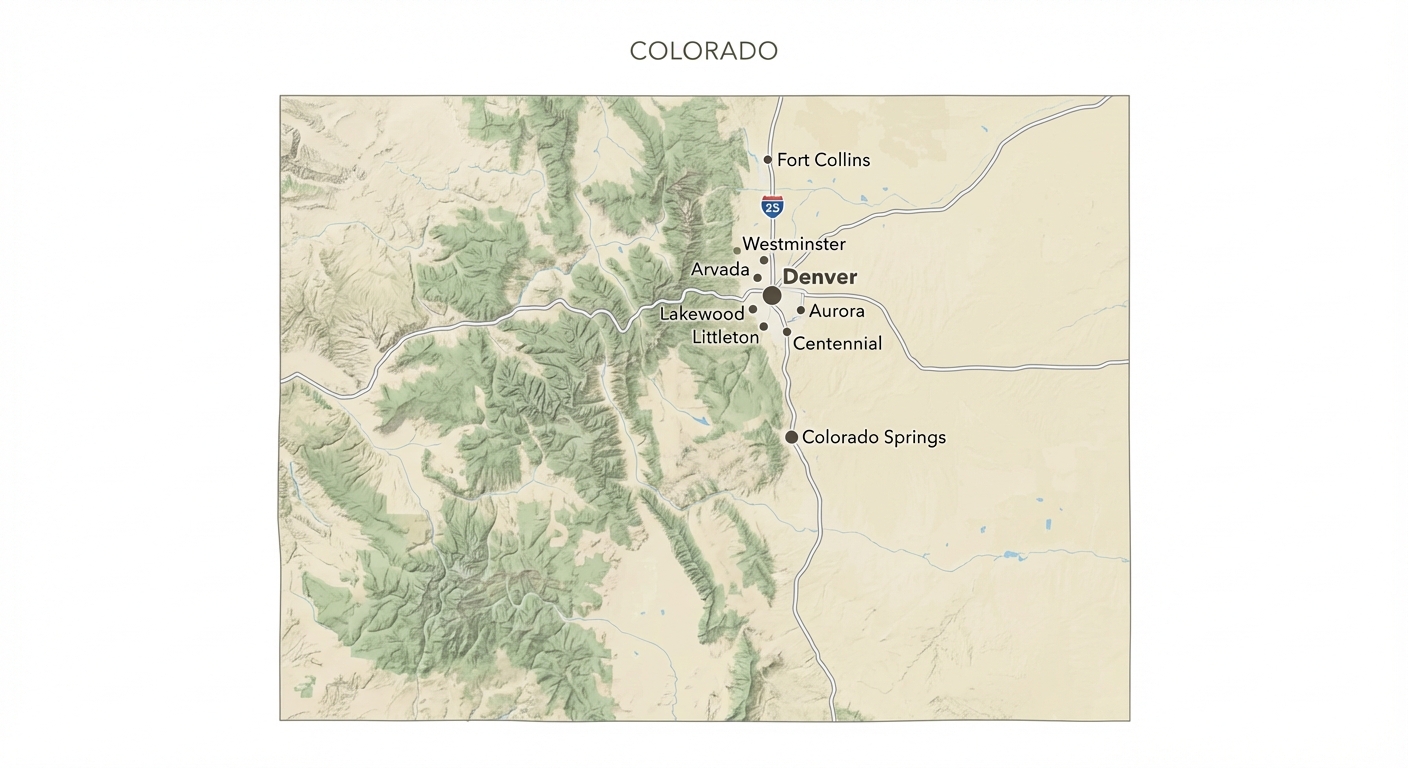
This is the backlink and citation asset for the batch.
1 in 31
CDC's 2022 ADDM data estimated 1 in 31 8-year-old children had ASD.
10-40
Weekly hours depend on assessment and support needs, not one universal number.
Months
Families often run into access delays before care begins.
What to sort out before the first call
What numbers are worth citing?
The strongest statistics come from public agencies, peer-reviewed studies, clinical guidelines, and transparent provider reports. A provider blog should not invent medical claims just to sound authoritative.
What should Colorado parents take from the data?
The practical takeaway is that demand is high, access can be uneven, and families should ask providers about availability, insurance support, assessment timing, and how treatment hours are chosen.
Where Budding Futures may fit
Budding Futures may be a fit for Colorado families who want in-home ABA, insurance guidance, and a clearer path from diagnosis or referral to actual next steps.
Do not settle for vague answers
Use CDC data
CDC prevalence reports are the safest public baseline for broad autism statistics.
Use waitlist sources
Waitlist and access pages can support the case for clearer provider availability.
Use clinical sources
Hours should be framed carefully and tied to assessment.
The right provider question is not just who has a page for your city.
Parents need to know whether the provider can work with their plan, serve their home, explain the assessment, and keep the BCBA close enough to the work.
The details that usually decide provider fit
| Topic | Source type to cite |
|---|---|
| Autism prevalence | CDC ADDM data |
| Treatment intensity | CASP, APBA, peer-reviewed studies |
| Waitlists | Access reports, provider resource pages, published research |
| Insurance | HCPF, Medicaid, plan documents |
Useful next pages from Budding Futures
What the public sources say before you choose an ABA provider
We are a stronger fit when the problem is happening at home
Clinic ABA can be useful. For many Colorado families, though, the hard part is not a worksheet skill. It is getting dressed before school, tolerating a sibling nearby, asking for help, leaving the park, eating dinner, or getting through bedtime without the whole house falling apart.
That is where Budding Futures tends to make the most sense. We focus on in-home ABA, parent coaching, and BCBA-led plans that are tied to the places where the skill actually has to work.
Do not ask only, "Do you have openings?"
Ask who writes the assessment, how often the BCBA reviews the plan, whether your insurance can be checked before intake, and what happens if the requested hours are not signed off the first time.
If you are dealing with Medicaid, waitlists, school goals, TRICARE, or higher support needs, the right provider should slow the sequence down and explain it. You should not have to chase every answer alone.
Common parent questions
Is this original medical research?
No. It is a sourced resource that organizes useful public information.
Can other sites cite this page?
Yes, the page is designed to make sources and Colorado context easier to cite.
Will Budding Futures make clinical guarantees here?
No. The page should explain the data without promising outcomes.
Want to know if Budding Futures is a fit?
Tell us what you are trying to solve. We will help you understand the next step, whether the question is provider fit, in-home ABA, Medicaid, insurance, school support, or timing.