What ABA therapy actually is and is not
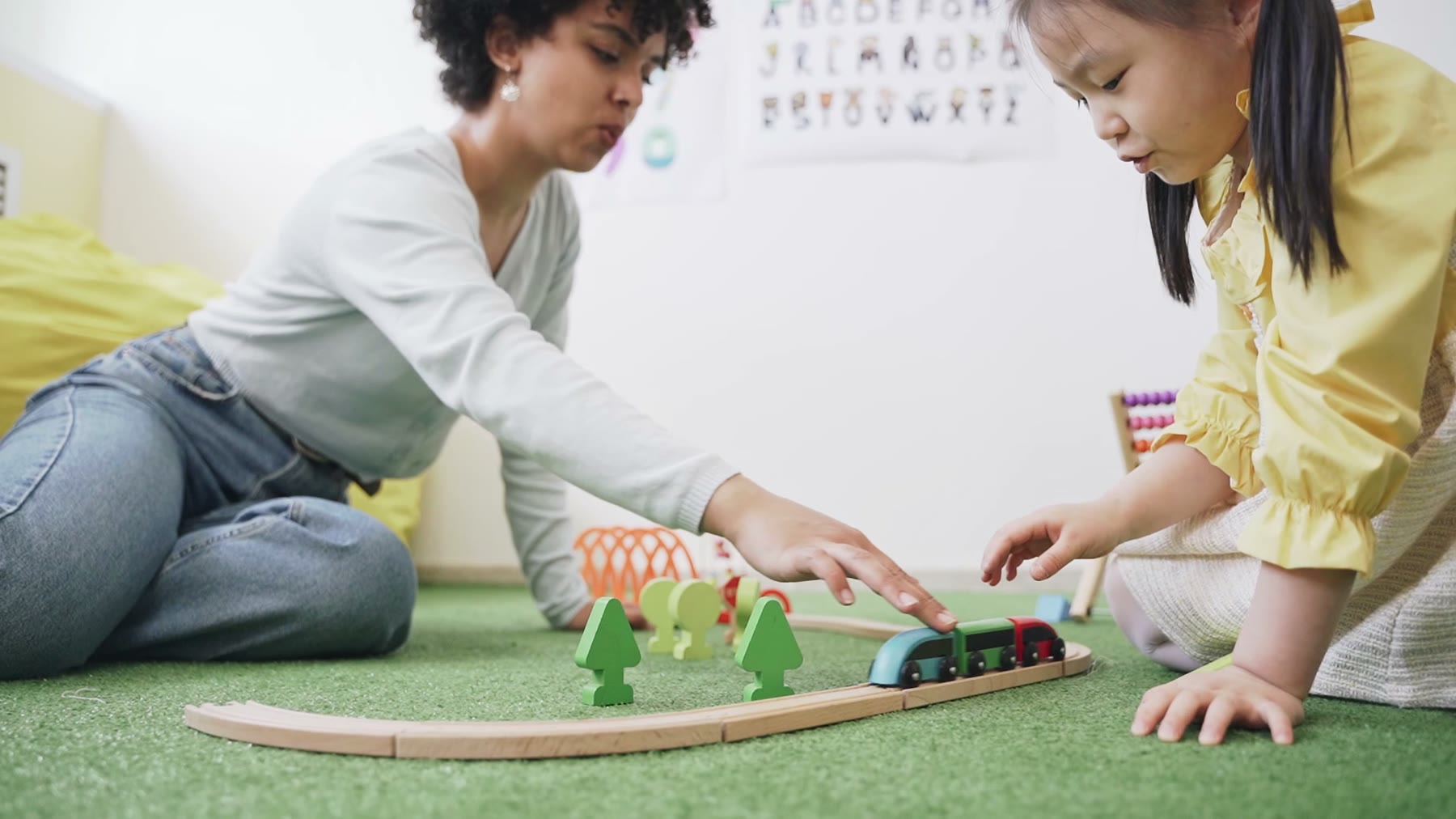
ABA breaks useful skills into teachable steps and tracks whether the plan is helping. A good session also leaves room for play, the child’s interests, and a clear “no” or request for a break.
A child does not need spoken words before they can learn to request, protest, choose, ask for help, or share attention.
How ABA supports non-verbal children
A care team can begin with the communication method the child can use now and build from there.
- Functional communication training for requests, breaks, help, and choices
- Pictures, gestures, signs, or AAC devices
- Natural practice during play, meals, dressing, and family routines
- Prompting that is gradually reduced as independence grows
What progress can look like
| Area | Possible early progress |
|---|---|
| Communication | Using a picture, gesture, device, sound, or word to make a clear request |
| Social engagement | More shared play, turn-taking, or joint attention |
| Independence | Completing more steps in familiar routines |
| Family routines | Fewer moments where frustration is the only available message |
Progress is individual. ABA is not a cure, and spoken language is not the only meaningful outcome. A strong plan measures whether communication is becoming easier and more useful for the child.
Questions to ask an ABA provider
- How will you give my child a dependable way to communicate from the start?
- How do you coordinate with speech-language therapy and AAC recommendations?
- How will you use my child’s interests and respect signs that they need a break?
- How will we practice communication in real home routines?
Is the therapy working?
Whatever mix of supports you choose, judge it by results your child can use. Our guides to whether ABA therapy is effective and how to know if ABA is working show what to look for.
Sources reviewed
- American Speech-Language-Hearing Association guidance on AAC
- Autism Speaks overview of applied behavior analysis
- Budding Futures clinical and service information