Signs of autism in children (ages 4-12)
Autism is sometimes missed until school age, especially in bright kids. Here is what it looks like in older children at home and at school, and what to do in Colorado.
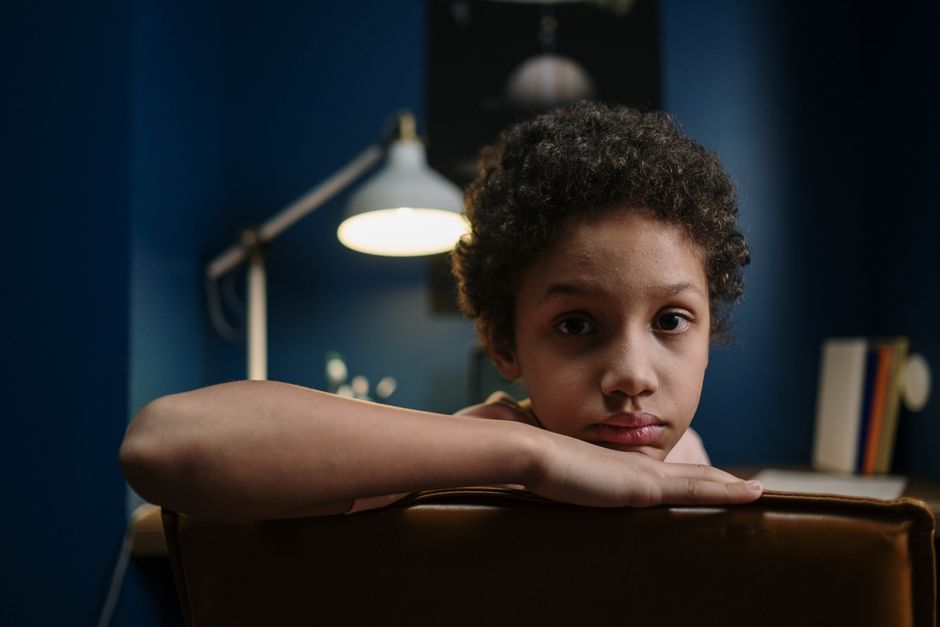
Many children are not diagnosed until classroom and social demands grow.
In older children, autism spectrum disorder (ASD) usually shows up at school and in friendships, not in missed baby milestones. A bright child often copes for years, so the signs get missed until school gets harder. You might see a kid who takes everything literally, gets stuck on one favorite topic, and needs the same routine every day. Many hold it together all day, then melt down once they are home. At Budding Futures ABA, our Colorado BCBAs build school-age plans around what actually happens in your home.
On this page
Signs of autism in children ages 4-12
School-age signs are more about social and sensory life than missed milestones. Many show up more at home, after a long day of holding it together.
| Area | What it can look like |
|---|---|
| Social | Few close friends, prefers to play alone, struggles to read tone, jokes, or sarcasm, one-sided conversations |
| Communication | Very literal, formal or advanced vocabulary, flat tone, repeating lines from shows, hard to start or hold a back-and-forth chat |
| Behavior | Rigid routines and rules, big upset at change, repetitive movements, intense focus on one topic |
| Sensory and food | Covers ears at noise, bothered by clothing tags or lights, very picky eating, foods cannot touch |
| At home vs school | Calm and rule-following at school, then meltdowns at home once the pressure is off |
What are signs of autism in a 7-year-old?
At this age, watch the social side: trouble making and keeping friends, missing jokes and sarcasm, talking at length about one favorite topic, and following rules so rigidly that small changes cause big upset. Strong sensory reactions and picky eating are common too.
“My 4-year-old son's speech has exploded. He is now on par.”
A hopeful note from r/Autism_Parenting: a boy diagnosed at 2.5 whose speech took off after early speech therapy and play-based help. Early support is the throughline in these stories, even when a diagnosis comes later.
Parent in r/Autism_Parenting · read the thread →
What is the difference between autism and ADHD in children?
They overlap a lot, and plenty of kids have both. ADHD tends to be about attention and constant motion. Autism leans more social, with a strong need for sameness. Because they look alike, a BCBA evaluation helps sort out what is really driving the behavior.
Why is my child fine at school but melts down at home?
Because holding it together all day takes effort. Many autistic kids mask their stress at school, then release it where they feel safe, at home with you. The after-school meltdown is a sign of that effort, not bad behavior or bad parenting.
Can autism be diagnosed later in childhood?
Yes. Plenty of children are diagnosed at 6, 8, or older, especially bright kids and girls who coped early on. A later diagnosis is not too late. Children and teens keep learning new skills with the right support.
What should Colorado parents do next?
For a child 3 or older, ask your school district for a free Child Find evaluation, and talk to your pediatrician about developmental and autism screening. After a diagnosis, Budding Futures provides in-home ABA for children across Colorado and can help you choose the right provider.
What to do next in Colorado
For a school-age child, the free path runs through your school district and your pediatrician.
| Your child's age | Where to start in Colorado (free) | What happens |
|---|---|---|
| Birth to age 3 | Early Intervention Colorado (call 1-888-777-4041, or refer yourself) | A free evaluation and services, with no cost and no diagnosis needed first. |
| Age 3 and older | Child Find through your local school district | A free evaluation, finished within 60 days of your written okay. |
| Any age | Your pediatrician | An autism screen (M-CHAT-R) at the 18- and 24-month visits, then a referral for a full evaluation. |
| After a diagnosis | In-home ABA with a Colorado BCBA | Budding Futures builds the plan, checks your Medicaid or insurance, and starts with no current waitlist. |
After an autism diagnosis, Budding Futures provides in-home ABA across Colorado, works with Health First Colorado (Medicaid) and major insurers, and starts families with no current waitlist. A Board Certified Behavior Analyst, Rachel Blackburn, reviews each plan.
Sources
Plain-language summaries of autism signs come from these authorities. We link the originals so you can read them yourself.
CDC, Signs and Symptoms of Autism Spectrum Disorder
The federal list of autism signs, tied to specific ages from 9 months on.
American Academy of Pediatrics (HealthyChildren.org)
Why pediatricians screen for autism at the 18- and 24-month visits.
NICHD (NIH), Early Intervention for Autism
Early diagnosis and intervention are more likely to have major positive effects.
Colorado Child Find (CDE)
Free school-district evaluations for Colorado children age 3 and older.
CDC, Autism Prevalence (ADDM Network, 2022)
The 2025 report finding autism in about 1 in 31 eight-year-old children.
Not sure what you are seeing? Talk to a Colorado BCBA
We can talk through the signs, point you to the right free evaluation, and if your child has a diagnosis, build an in-home plan and check your Medicaid or insurance.