ABA therapy activities for toddlers at home
Toddlers learn through movement, play, imitation, snacks, cleanup, bath time, and leaving the house. These examples are practice ideas, not a treatment plan. If concerns are growing, Budding Futures ABA can help you decide whether early intervention ABA therapy in Colorado is a fit.
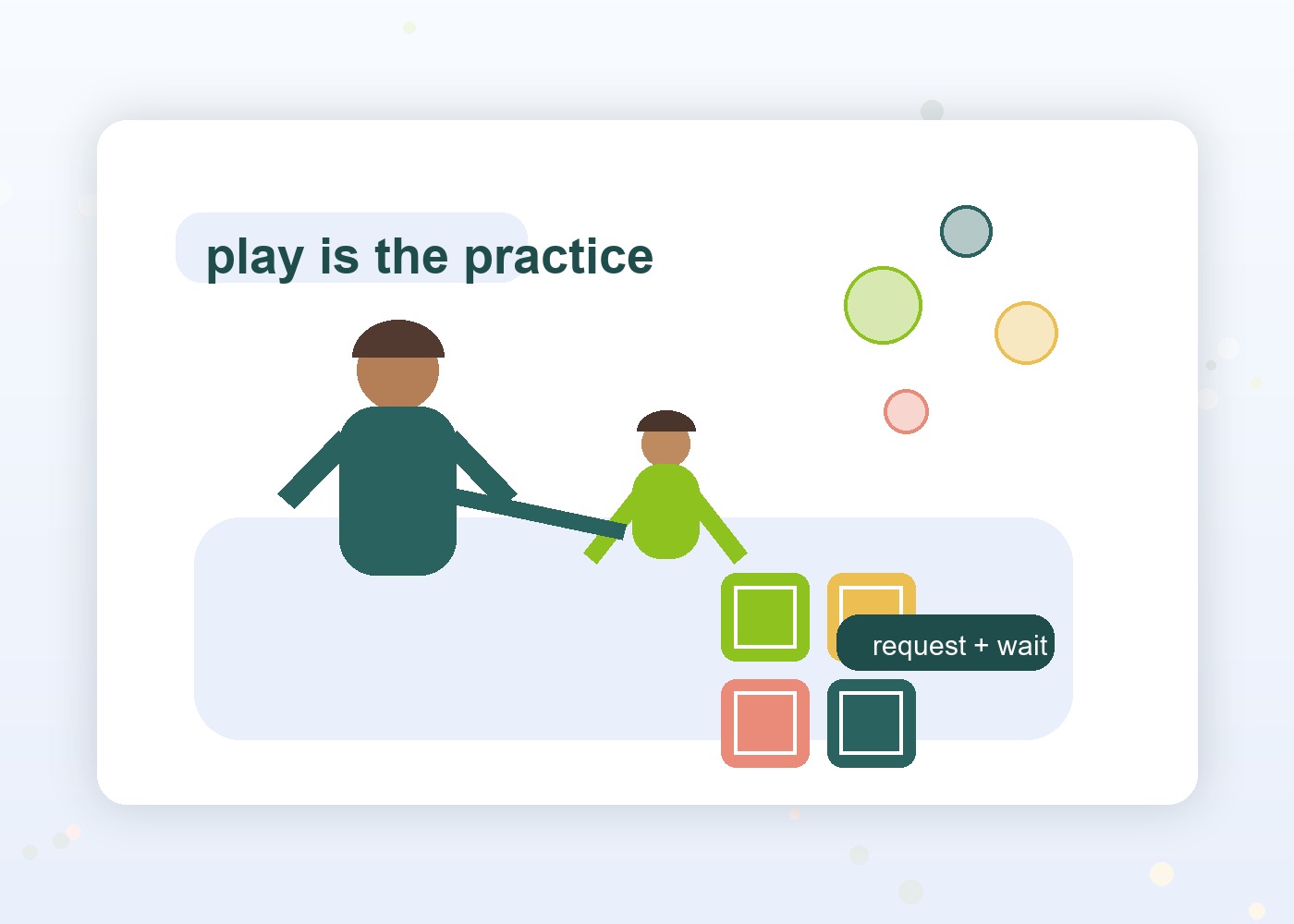
One useful request, one easy turn, or one safer transition can matter more than a long activity list.
Activities that belong in real routines
Choice practice
Hold up two snacks. Accept a word, point, reach, sign, or picture. Give the chosen item right away so the request matters.
One small action
Tap the table, roll a car, clap once, or stack a block. Keep it playful and stop before it turns into a test.
One more second
Pause before opening bubbles, turning on music, or pushing a swing. Build waiting slowly and celebrate the first small success.
First this, then that
Use the same short phrase. Help with one item if needed. The goal is practice, not a power struggle.
Roll it back
Roll a ball back and forth once or twice. Add turns only when your child can still enjoy the activity.
Stop and come back
Practice during calm play before using it outside. If running away is common, ask for clinical help.
How to keep toddler activities from becoming pressure
Keep practice short. One minute may be enough. If the activity turns tense, stop and try again later with an easier version. A toddler who can ask for one snack, wait for one bubble, or roll the ball back once has done something useful.
Use what your child already likes. Cars, water play, music, snacks, movement, and blocks can all become practice without feeling like a worksheet. The mistake is trying to work on speech, sitting, cleanup, waiting, and transitions all at once.
Budding Futures point of view: play-based care should protect the child's dignity and the parent's bandwidth. If an activity makes the whole house tense, the plan needs adjusting.
When activities are not enough
Home practice is useful, but some toddlers need a fuller plan. Ask about an evaluation if communication delays, self-injury, aggression, elopement, severe transitions, or daily living struggles are shaping most days. A BCBA can choose goals, coach parents, supervise sessions, and track whether the plan is working.
Want activities matched to your toddler?
Budding Futures can evaluate your child's current skills and build an in-home plan around communication, play, safety, and daily routines.